What it takes to reach the canyons
Pavement reaches the edge of the Bears Ears country and then gives way to clay, sand and graded gravel. Getting to the trailheads is a question of roads, distance and the vehicle, and the vehicle is the expensive part.
Published 4 minute read
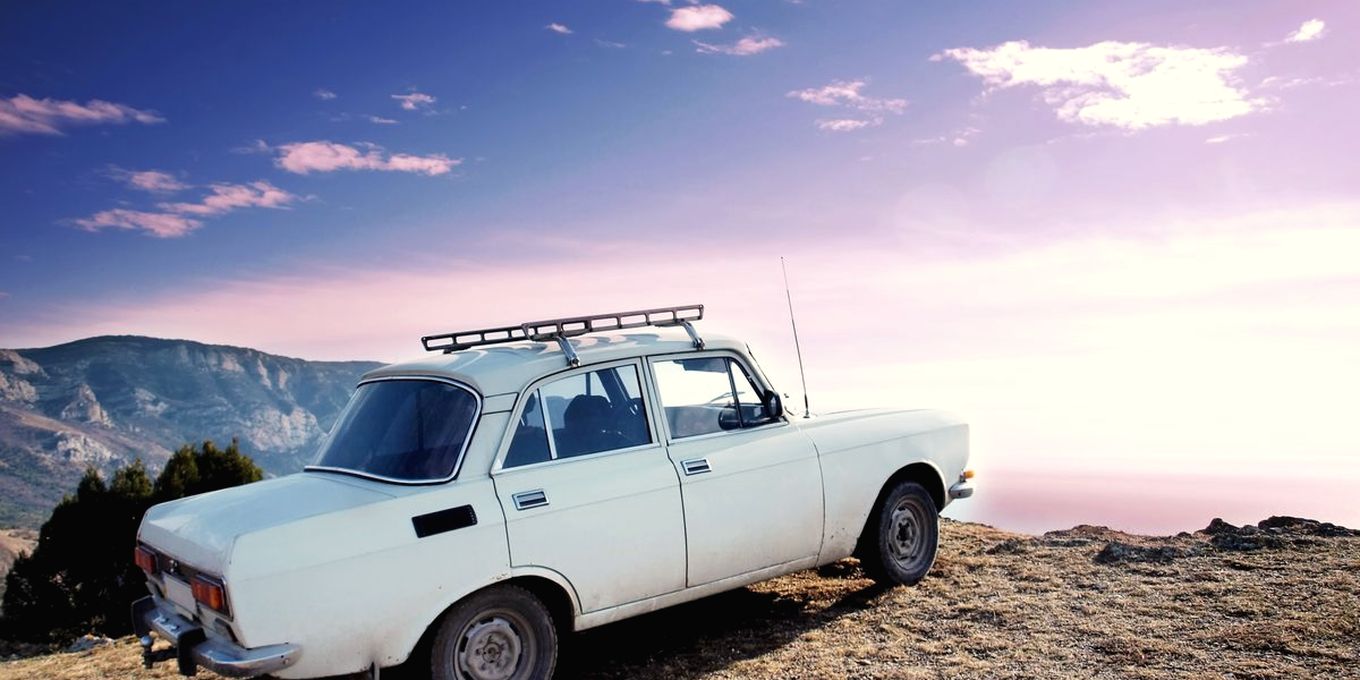
Most visitors reach southeast Utah on good pavement: US 191 through Monticello, Blanding and Bluff, Utah 95 west toward Natural Bridges, Utah 261 across Cedar Mesa. The trailheads, campsites and river put-ins most people come for sit at the end of dirt, and the dirt decides how a trip goes.
Where the pavement stops
Utah 261 shows the change in one stretch. Paved across the mesa top, it turns to graded gravel where it drops off the southern rim on the Moki Dugway, about three miles of switchbacks cut into the cliff and losing some 1,100 feet to the valley floor. Signs at the top advise against vehicles longer than 28 feet or heavier than 10,000 pounds, which rules out most motorhomes and anything towing a trailer.
Away from the highways the roads are county and federal dirt: clay, sand, washboard and slickrock ledges, with wash crossings that change after every storm. The Bureau of Land Management’s field office in Monticello publishes a Cedar Mesa conditions report for the roads and springs. On 2 October 2026 it listed the Comb Wash road as four-wheel drive, several mesa-top spur roads as high clearance only, and warned that storms can make the roads impassable with little notice. A road that was easy in the morning can be impossible by evening and passable again two days later.
The vehicle the roads ask for
The deciding feature is clearance more than four-wheel drive. Ground clearance keeps the oil pan and exhaust off rock ledges and the center hump of a rutted road; tires with stiff sidewalls survive sharp stones that slice the thin sidewalls of a highway tire. Four-wheel drive matters in sand and on the steep pitches out of washes.
People who come back year after year usually end up owning something capable, and that is a large purchase. AAA’s 2026 driving costs study, published in September, put the average cost of owning and running a new vehicle at $12,863 a year over five years and 75,000 miles, and found a half-ton pickup costing $1.10 a mile to operate, 48 cents a mile more than a small sedan. A used truck or high-clearance SUV costs less to buy, but its fuel, tires and repairs do not get cheaper, and rough roads wear suspension parts faster. Rated fuel economy for any candidate vehicle can be checked on the federal fueleconomy.gov listings before buying.
Paying for it over months
The decision looks much the same wherever the buyer lives. A household in Salt Lake City and one in Vilnius, in Lithuania, both face a vehicle that costs more than a month’s pay, and both are offered the same answer: the price spread over monthly payments. Those payments are usually presented as the number that matters. The number that matters is the total repayable. At the same rate, stretching a loan from three years to six roughly doubles the interest paid, in exchange for a monthly figure that looks easier.
A vehicle loan also lasts longer than the reason for it. The trip that prompted the purchase is a week; the payments run for years, through winters when the truck sits, through repairs nobody planned. Early settlement terms decide what it costs to get out sooner, by selling the vehicle or paying off the balance, and they differ from one agreement to the next, so they are worth reading before signing rather than after.
A vehicle is the one piece of canyon-country kit most people buy on credit, and how that credit is built matters more than the sticker on the forecourt. Consumer lending is national: the products, the rate caps and the registers differ at every border, so the sensible place to read a lender is its own country’s supervisor. In Lithuania the central bank keeps a public list of consumer-credit providers, and Wandoo is one of the lenders on it, lending over a fixed run of monthly payments rather than a single repayment. Whoever the lender and wherever the border, the test is the same: a loan spread across months is a claim on income not yet earned, so the term has to stay inside the stretch of months a borrower can actually see ahead, and the vehicle has to still make sense once the trip it was bought for is long over.
An ordinary shortfall in a month’s budget is a different question, and a vehicle loan is no answer to it.
Before the first dirt mile
Fuel, groceries and repairs are in Blanding, Bluff, Monticello and Mexican Hat, with long empty stretches between, and the BLM’s know before you go page warns that much of the area has no cell service. A flat tire on a remote road is a job for the driver, which means a full-size spare, a jack that works on soft ground and the knowledge to use both. A tow from deep dirt is slow and costly when it can be arranged at all. Water belongs in the vehicle as well as in the pack: a gallon per person per day is the usual starting point in summer heat, more for a vehicle that might have to wait out a storm.
Visitors who fly in should read the rental contract before the map: many in the United States forbid unpaved roads outright, and the few that allow dirt are mostly found in Moab. Summer adds its own risk. From July into September the monsoon brings afternoon storms that send flash floods down washes the road crosses, and the higher roads hold snow and mud later into spring than the mesa below.
Check the conditions report or ask at the Kane Gulch Ranger Station, which keeps seasonal hours in spring and fall. Carry a printed map, since phones lose both signal and battery. Leave a plan with someone at home, including when to start worrying. Turn around at the first stretch of standing water or slick clay instead of the third. The roads into this country were built for ranching, uranium mining and oil exploration, and they reward a driver who treats them as unfinished.