Tips for visiting cultural sites with respect
The etiquette for ancestral sites on Cedar Mesa and across the Four Corners fits on a card. The reasons behind each item are what make it stick, so both are here.
Published 4 minute read
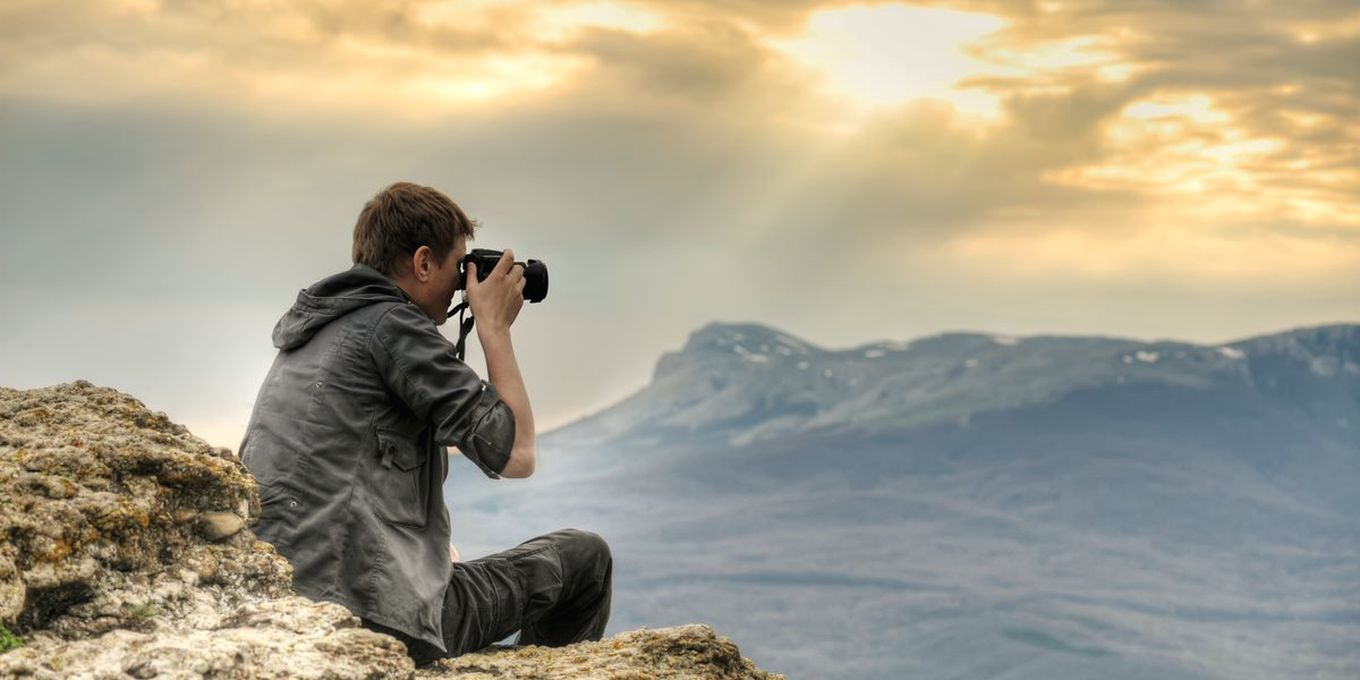
Most of the archaeology in the canyon country sits in the open on public land, with no fence, no guard and usually no sign. Ancestral Puebloan farmers built and lived across Cedar Mesa, Comb Ridge and the San Juan River country for well over a thousand years. Hopi, Zuni and other Pueblo communities trace their descent to those people, and Navajo (Diné) and Ute families have their own long ties to the same ground. Hopi people speak of the old villages as footprints their ancestors left on purpose, proof that they passed this way. An empty canyon changes none of that.
What follows is the etiquette that the BLM and archaeologists ask for, grouped by where it applies, with the reason for each item.
Walls, middens and objects on the ground
- Walls. Stay off them and out of the rooms. Mud mortar that has held for seven or eight centuries can let go under a hand placed for balance, and a bump from a pack chips old plaster. Leaning, sitting, standing and climbing all count, however solid a wall looks.
- Middens. The gray, ashy slope below many dwellings is where the people who lived there threw their refuse. Archaeologists read diet, dates and household life from its layers. Boot prints mix those layers and start erosion that can undercut the walls above. Walk around it.
- Artifacts. Leave every sherd, stone flake, corncob and bead where it lies. Its position is part of what it can tell. Gathering pieces into a pile on a flat rock for the next person strips the context from dozens of objects at once and puts the best ones in reach of any pocket.
- Historic debris. Rusted cans, bottle glass and wagon parts left by early ranchers and travelers belong to the record too. They are not litter, and removing them from public land is illegal.
- Grinding surfaces. The smooth slicks and grooves worn into bedrock and loose stones came from generations of grinding corn and sharpening tools. Trying one out wears away the finish its makers left.
Rock art
- Hands off. Oils from skin darken and break down painted and pecked surfaces. Touching, tracing, chalking and wetting a panel to bring out the figures all do lasting harm.
- Nothing new. Initials, dates and fresh figures scratched beside old ones are vandalism under federal law, whatever the intent.
- Pole tips. Bare metal hiking pole tips scratch slickrock, and some of the figures are pecked into the rock underfoot. A rubber cap costs little.
Kids, dogs and cairns
- Children. A site is not a playground. Walk children through it, explain why the walls stay untouched, and keep them close so they neither fall nor knock anything loose.
- Dogs. Dogs dig, climb and relieve themselves wherever they like. The BLM bars pets from Grand Gulch, Slickhorn Canyon and their tributaries, and from any alcove, ruin or rock art site everywhere on the mesa. Elsewhere, keep them leashed and well outside sites.
- Cairns. Leave the existing route markers alone and build no new ones. Extra cairns pull people toward fragile places, and a stone picked up for a cairn can turn out to be a metate or a shrine stone.
Camps, fires and toilets
- Camp well away. Camping and fires are prohibited in any alcove, overhang or archaeological site. Crumbs draw mice and packrats, and rodents burrow into the deposits archaeologists need intact.
- Fires. No fires are allowed in the Cedar Mesa canyons. Smoke can blacken an alcove ceiling that held painted figures, and heat cracks stone. On the mesa top, fires belong in established campsites, in a metal fire pan, with the ash packed out. New fire rings are scars.
- Toilets. Go far from sites, water and trails, and carry out used toilet paper.
Photos and what gets posted
- Location data. Phones and many cameras stamp each image with where it was taken. Turn that setting off or strip the data before sharing.
- Captions. Name the region if anything. A canyon name plus a picture is a search term for the wrong kind of visitor.
- Drones. A drone over a site disturbs everyone on the ground and the wildlife on the cliffs, and aerial images can place a site on a map. Ask the BLM’s Monticello Field Office before flying anywhere in the region.
Things other visitors have left
Now and then a walker finds prayer feathers, a small bundle, a pinch of cornmeal or another offering at a site or a spring. These belong to living religious practice. Leave them untouched, do not move them for a better picture, and add nothing of your own.
Permits, fees and the law
A permit is required all year to hike or camp in the main Cedar Mesa canyons. Day hikers pay at self-service fee tubes at the trailheads. In spring and fall, overnight permits are capped per trailhead and must be picked up in person at the Kane Gulch Ranger Station on the morning of the trip, whether reserved by phone with the BLM up to three months ahead or taken as a walk-in. The BLM’s Cedar Mesa permit pages list the canyons covered and the group limit of 12. Pay the fee even when no one is checking: it funds the rangers and trailhead information. Archaeologists hold themselves to the stewardship standard in the Society for American Archaeology’s ethics principles.
On federal and tribal land, the Archaeological Resources Protection Act of 1979 makes digging, removing, damaging or defacing an archaeological resource without a permit a federal crime, with heavier penalties once the damage passes $500 and for a second offense.